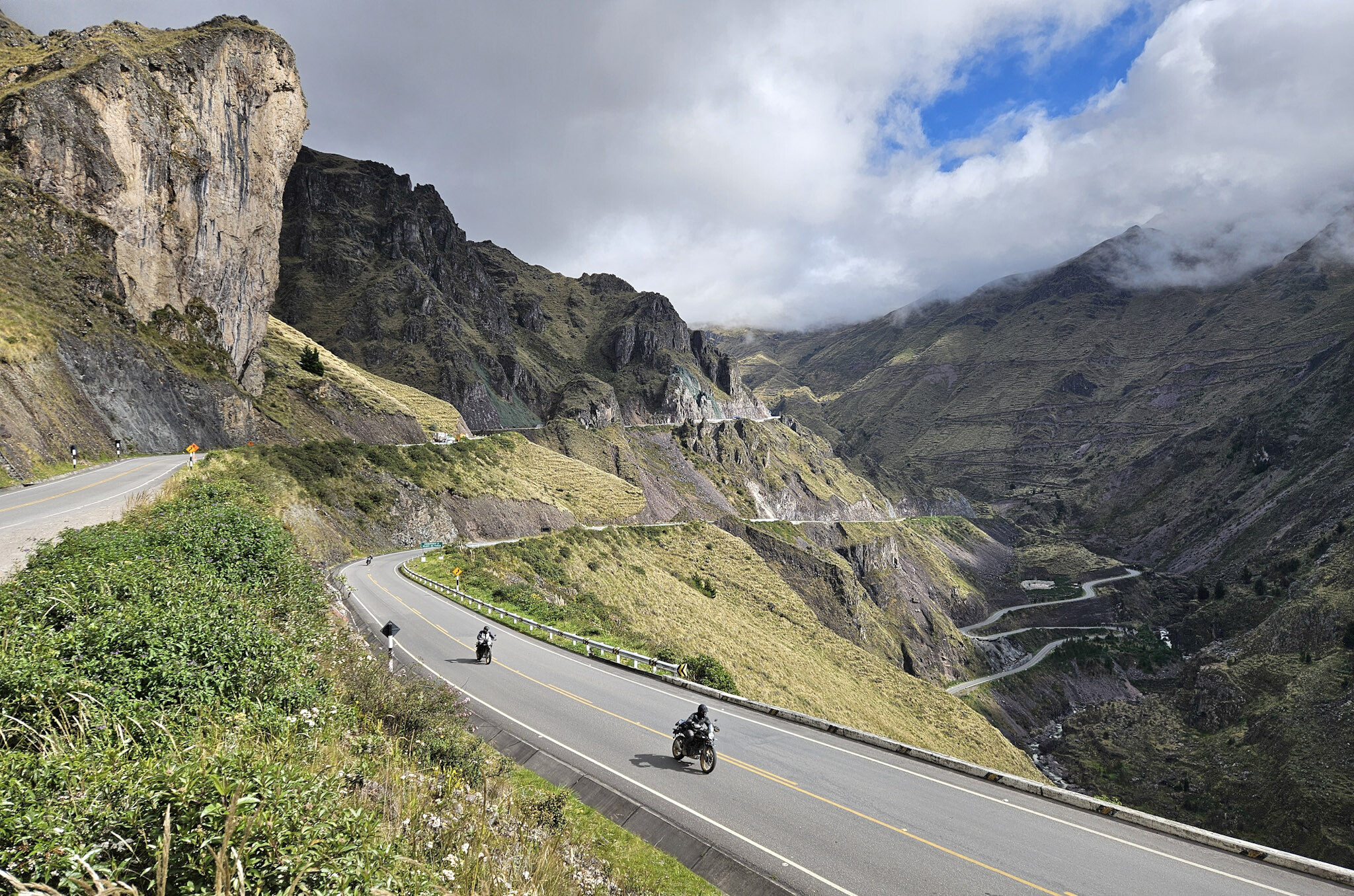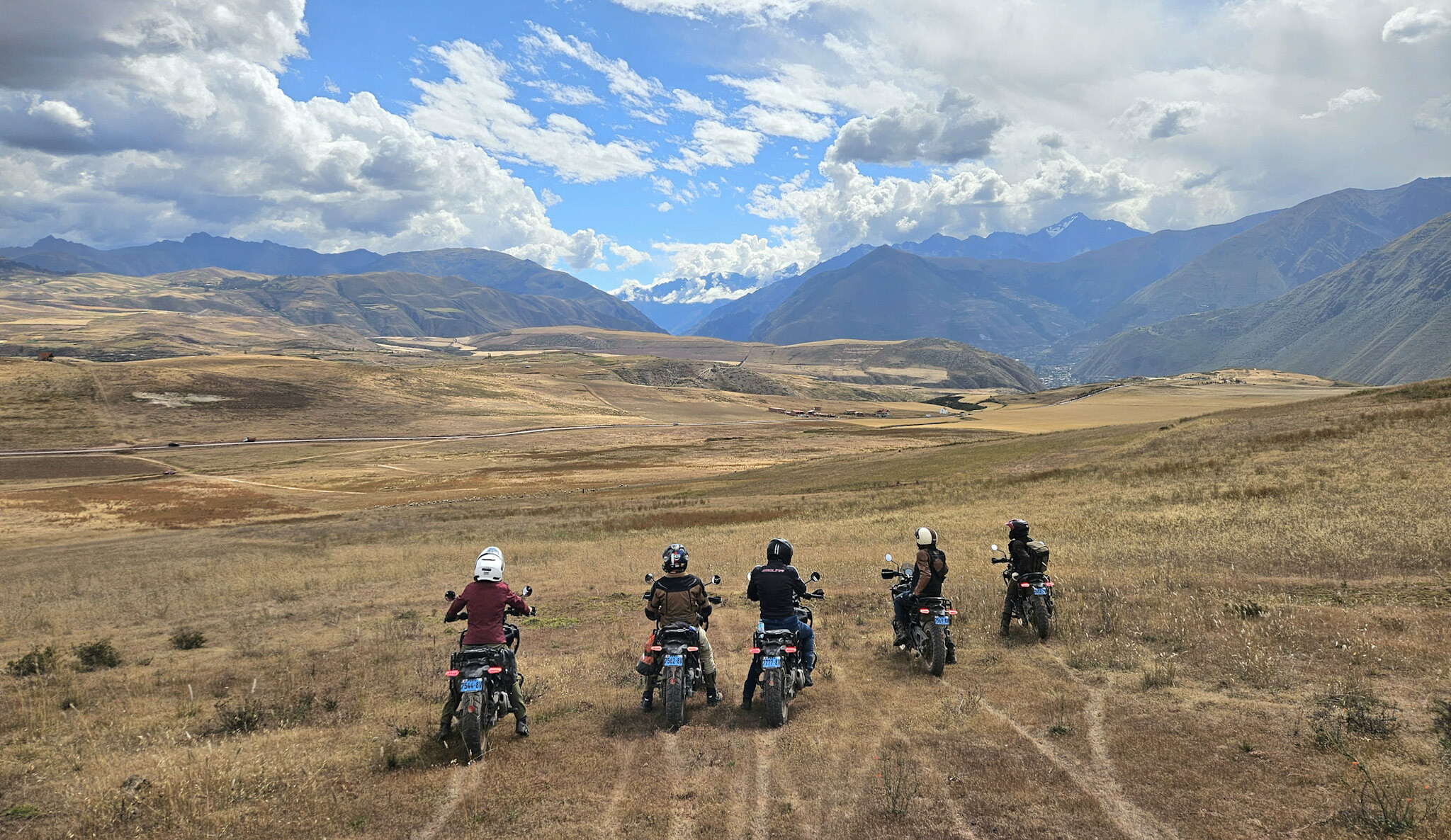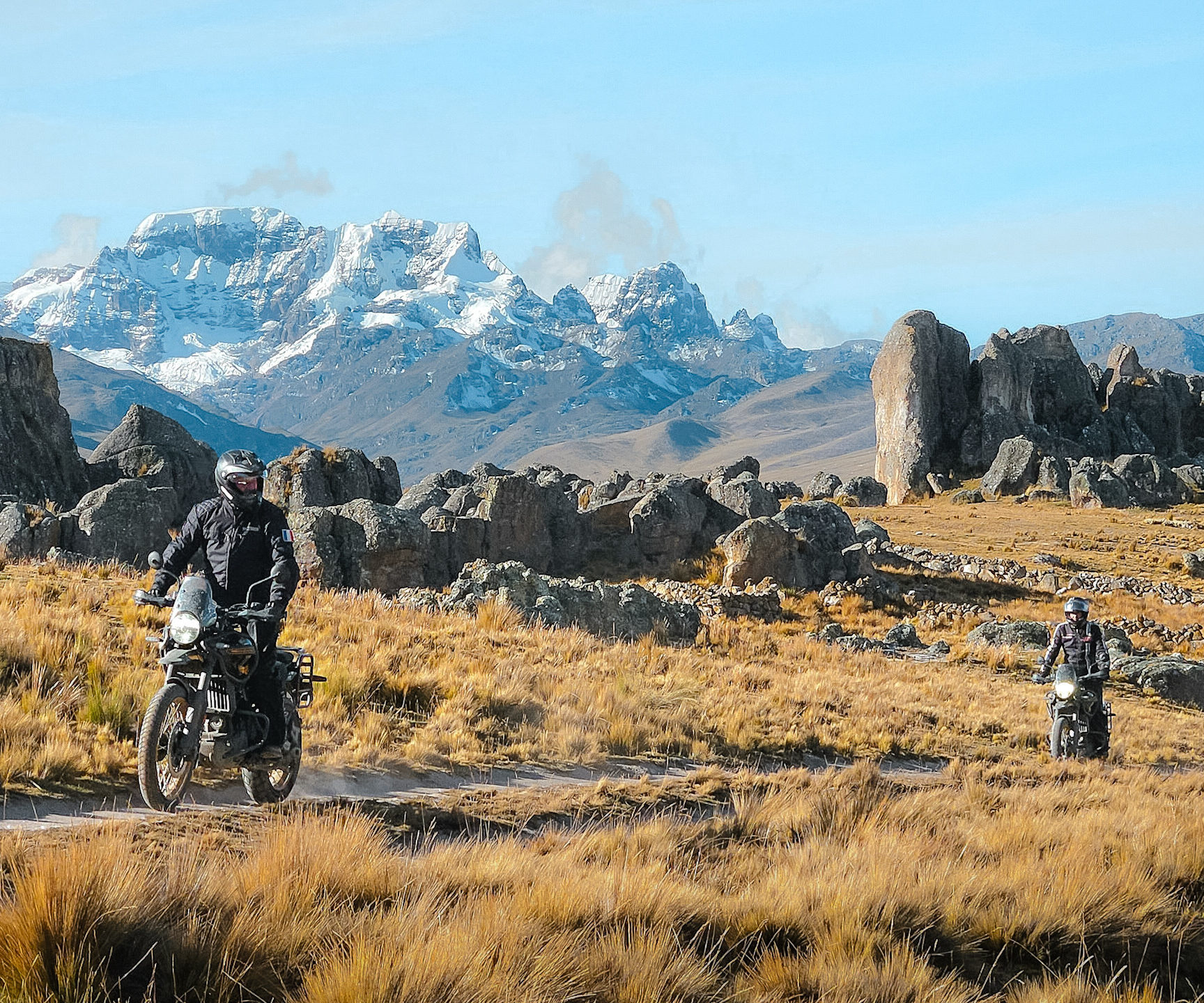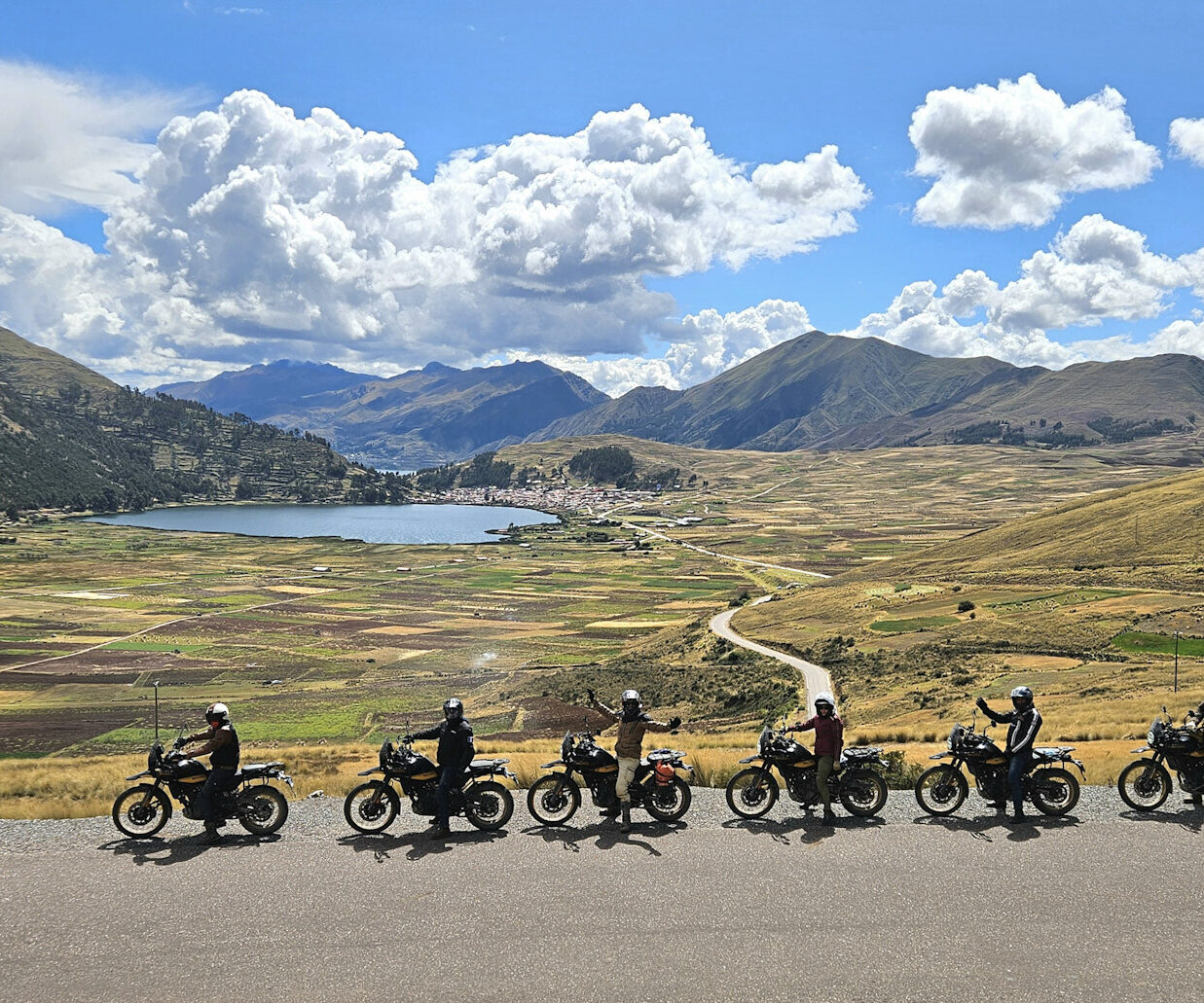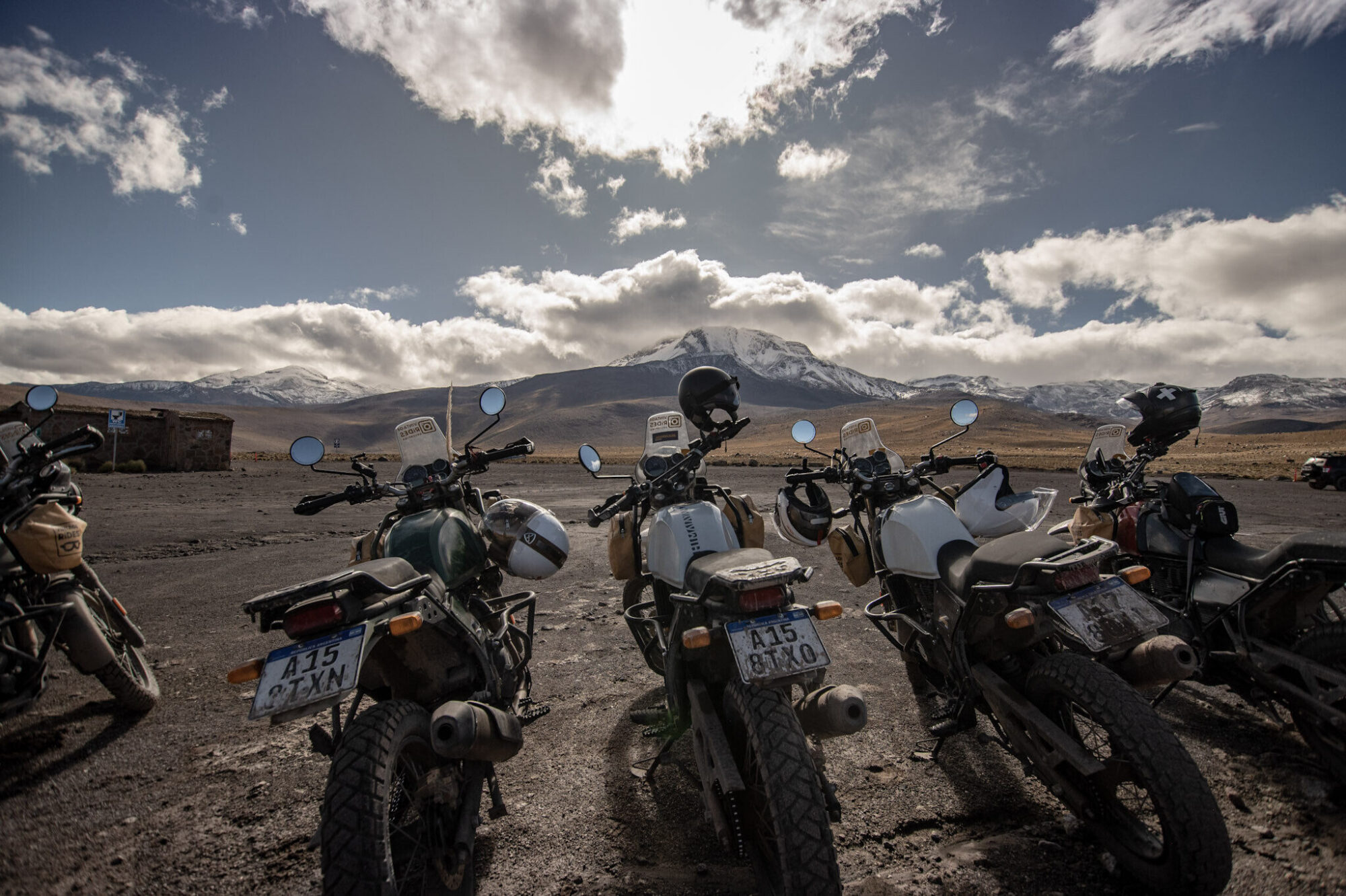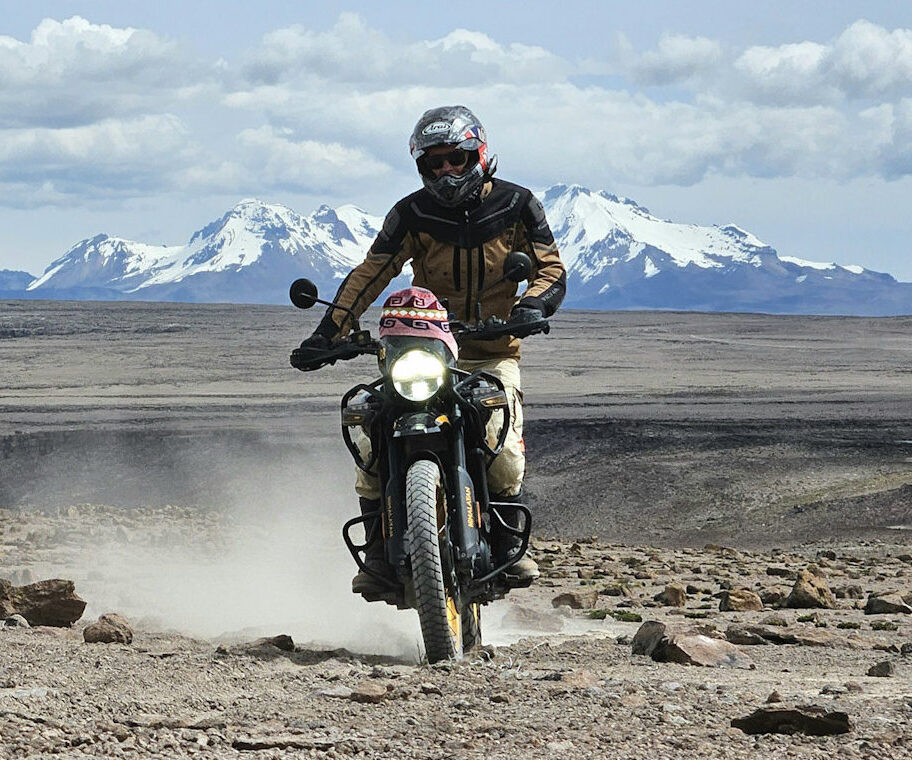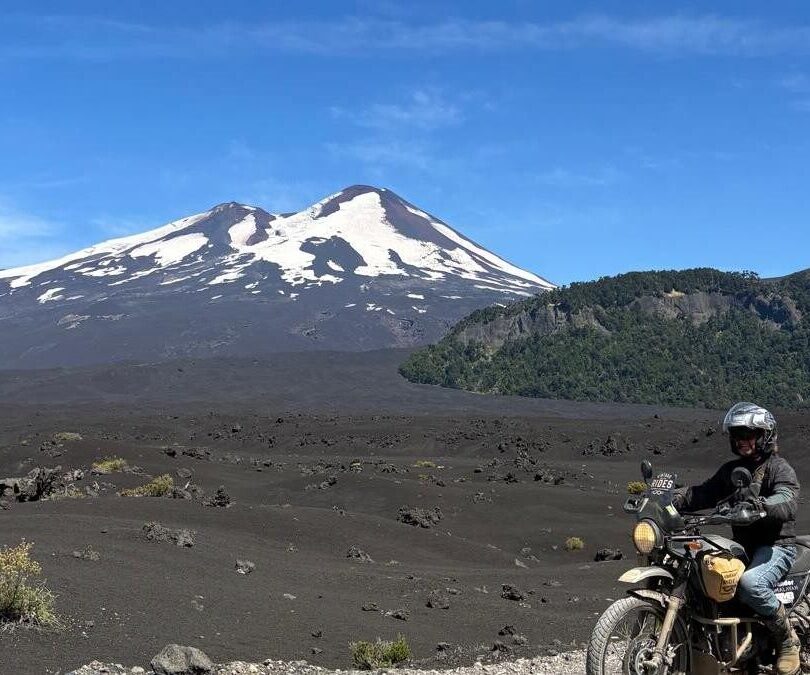
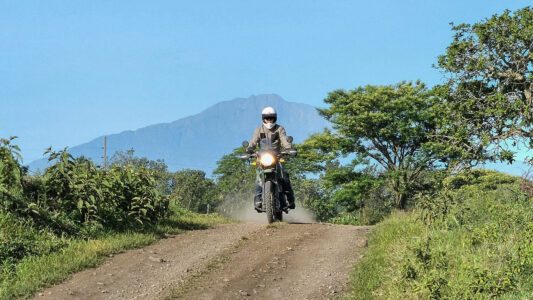
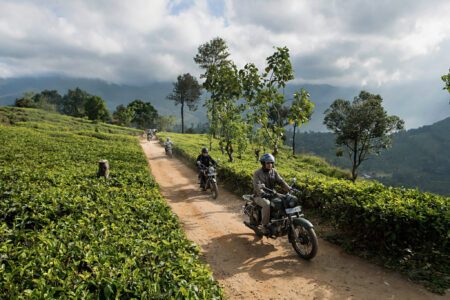
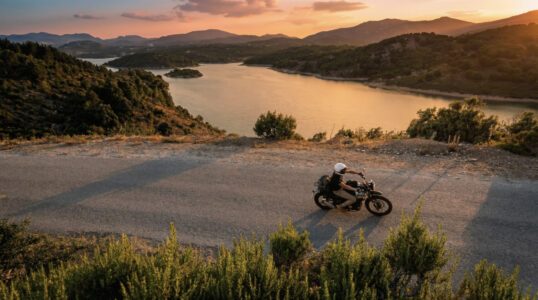
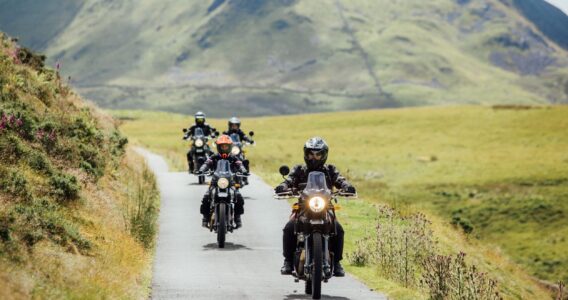
Set off on a unique motorcycle adventure across South America. Over 46 days, this transcontinental tour combines the very essence of a motorcycle tour in Peru, a grand motorcycle trip in Chile and a motorcycle tour in Argentina into a single, unforgettable odyssey. As you cross borders, you will explore breathtaking landscapes: Andean volcanoes, salt lagoons, salt flats and impressive glaciers. Between legendary roads and remote tracks, you will experience authentic local cultures, from hilltop villages to traditional markets, while putting your bike to the test on legendary routes such as Ruta 40 and the Carretera Austral. A complete crossing, designed for lovers of wide open spaces.
On the way, a week in Bolivia, from Lake Titicaca to the Salar de Uyuni.
Riding the other way? See Transcontinental: Ushuaia to Arequipa.
Stage 1/5
8 days, 857 miles (1,380 km), including 236 miles (380 km) off-road*
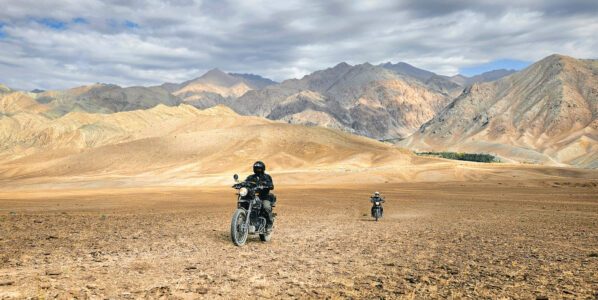
Welcome to Peru, in Arequipa, the "White City" overlooked by the Misti and Chachani volcanoes. After discovering its UNESCO-listed centre, the Plaza de Armas, the majestic cathedral and the Santa Catalina Monastery, your South America motorcycle tour starts from the Hotel Villa Elisa. Climbing towards the Salinas reserve, tarmac soon gives way to dirt: a lunar landscape of salt lagoons and active volcanoes takes us across the Altiplano to Espinar, among the alpaca herders.
The road then plunges into history, through canyons and high-altitude lakes to Cusco, the navel of the world. After exploring its narrow streets, we head for the Sacred Valley and the Maras salt mines. We follow the Urubamba River to Ollantaytambo, where we stay facing the fortress and the glaciers. From there, Machu Picchu is a journey back in time: its green terraces and stone temples suspended in the clouds bear witness to pre-Columbian genius.
The scenery changes dramatically after a 15,420 ft (4,700 m) pass: a breathtaking descent takes us into the humid Amazon at Quincemil. After a sensory immersion on a cacao farm, spectacular hairpin bends take us back up from 1,969 ft (600 m) to 14,108 ft (4,300 m) to Macusani, the "alpaca capital". Finally, crossing the raw Altiplano and its isolated villages, the deep blue of Lake Titicaca comes into view. We stop at Llachon, at the tip of a peninsula, where a boat trip to Taquile Island offers a last meditative, ancestral pause before the adventure continues towards Bolivia.
Day 1: Arequipa → Salinas-Espinar - 150 miles (241 km), including 106 miles (170 km) off-road
Day 2: Espinar → Cusco - 149 miles (240 km), including 43 miles (70 km) off-road
Day 3: Cusco → Ollantaytambo - 60 miles (97 km), including 22 miles (36 km) off-road
Day 4: Machu Picchu - no riding
Day 5: Ollantaytambo → Quincemil - 196 miles (316 km), including 22 miles (36 km) off-road
Day 6: Quincemil → Macusani - 142 miles (228 km), including 2 miles (3 km) off-road
Day 7: Macusani → Llachon - 158 miles (254 km), including 53 miles (86 km) off-road
Day 8: Llachon - no riding.
Stage 2/5
10 days, 1,330 miles (2,140 km), including 87 miles (140 km) off-road*
We leave Llachon along the indigo shores of Lake Titicaca, at 12,467 ft (3,800 m), to reach the Bolivian border and its snow-capped mountains. A stop in Copacabana immerses us in local traditions before we cross the vast Altiplano to Oruro, where the locals' smiles warm the atmosphere. The scenery then softens in the green valleys leading to Sucre, the "White City". This UNESCO-listed colonial gem offers a touch of elegance before the pilgrimage to Potosí. At over 13,123 ft (4,000 m), in the shadow of the legendary Cerro Rico, you swap your motorcycle helmet for a miner's to explore the depths of the famous silver and gold mines.
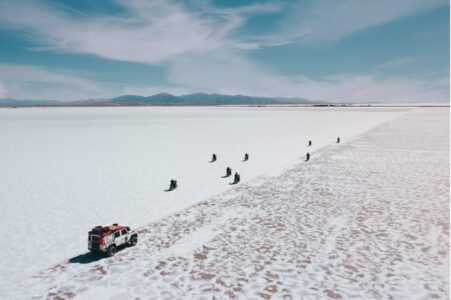
The road to Uyuni crosses arid, wild plains. After a stop at the train cemetery, the scenery turns surreal before the Salar de Uyuni, an endless ocean of salt where we stay in a salt hotel. Exploring this giant mirror takes us to Incahuasi Island, crowned with giant cacti and llamas. Heading south through Tupiza and Villazón, the earth turns ochre and blood red all the way to the Argentine border.
The Quebrada de Humahuaca (UNESCO) then opens its doors: at the end of a winding road, the village of Iruya appears like a postcard in the heart of multicoloured valleys. The descent is a symphony of colours, through the authentic village of Purmamarca and the traditions of northern Argentina. The last bends lead us to Salta "la Linda". In this beautiful colonial city, we celebrate the stage with a traditional asado and folk music, ready for the next chapter of our epic in gaucho country.
Day 9: Llachon-Peru → Copacabana-Bolivia - 150 miles (242 km)
Day 10: Copacabana → Oruro - 222 miles (358 km)
Day 11: Oruro → Sucre - 204 miles (328 km)
Day 12: Sucre → Potosi - 96 miles (154 km)
Day 13: Potosi → Uyuni - 153 miles (246 km)
Day 14: Uyuni - no riding
Day 15: Uyuni → Villazon - 194 miles (312 km), including 17 miles (27 km) off-road
Day 16: Villazon-Bolivia → Iruya-Argentina - 113 miles (182 km), including 29 miles (47 km) off-road
Day 17: Iruya → Salta - 196 miles (315 km), including 37 miles (60 km) off-road
Day 18: Salta - no riding.
Stage 3/5
9 days, 1,678 miles (2,700 km), including 155 miles (250 km) off-road*
The heat rises as we leave Salta, heading south through the Quebrada de las Conchas, a glowing red canyon of natural amphitheatres, to the green vineyards of Cafayate and its renowned bodegas. The road to Belén becomes a challenge: gravel tracks weave between the abandoned mines of Minas Capillitas, followed by remote trails where riding becomes instinctive between dry riverbeds, watched only by the odd shepherd.
We rejoin the famous Ruta 40 at Chilecito to enjoy the curves of the Cuesta de Miranda, in the heart of a bright red valley. The journey then takes on an otherworldly feel in the Valley of the Moon (Ischigualasto Park), a fossil desert dotted with rock mushrooms and dinosaur footprints, before we reach San José de Jáchal, an oasis at the foot of the Andes. Heading west, the corrugated tracks of Uspallata lead us to the legendary Paso Caracoles: its 29 dizzying hairpins mark a spectacular entry into Chile and the descent towards the Pacific.
Distances are given as a guide only.
Valparaíso then welcomes us, a chaotic and colourful port where we explore on foot this open-air museum of poetic street art. Along the coast towards Constitución, the salty air accompanies a landscape of cliffs, wild beaches and pine forests. Finally, the adventure heads inland, swapping dryness for the dense, humid greenery of the volcanoes. The village of Curacautín welcomes us, a haven of peace facing the majestic Llaima volcano and its ancient araucaria trees.
Day 19: Salta → Cafayate - 164 miles (264 km), including 61 miles (98 km) off-road
Day 20: Cafayate → Belen via Andalgala - 190 miles (305 km), including 62 miles (100 km) off-road
Day 21: Belen → Chilecito via Tinogasta - 140 miles (226 km), including 35 miles (56 km) off-road
Day 22: Chilecito → San Jose de Jachal - 208 miles (335 km), including 37 miles (59 km) off-road
Day 23: San Jose de Jachal → Uspallata - 247 miles (397 km), including 22 miles (35 km) off-road
Day 24: Uspallata-Argentina → Valparaiso-Chile - 185 miles (297 km)
Day 25: Valparaiso - no riding
Day 26: Valparaiso → Constitucion - 243 miles (391 km), including 4 miles (7 km) off-road
Day 27: Constitucion → Curacautin - 309 miles (497 km).
Stage 4/5
9 days, 1,181 miles (1,900 km), including 308 miles (495 km) off-road*
The adventure resumes in Conguillío National Park, where our bikes wind along a track of black ash between ancient araucaria trees, under the watchful eye of the Llaima volcano. After crossing the Argentine border to Villa Pehuenia, we enter the Seven Lakes region. Between tarmac and ochre dust, we ride along crystal-clear lakes such as Lake Moquehue and its wild forests to San Martín de los Andes, where we share an asado with the locals.
Back on the track, the views keep coming: the Lanín volcano dominates the horizon, while emerald lakes such as Meliquina roll past before the descent to Bariloche. Patagonia takes on an alpine, almost European feel, and a welcome break lets us ride along Lake Nahuel Huapi, stroll through town and enjoy chocolates and craft beers. Heading due south to Esquel, we cross national parks of ancient cypress trees and turquoise lakes, before crossing back into Chile at Futaleufú, where deep canyons and rushing rivers contrast sharply with the Argentine pampa.
We then start the legendary Carretera Austral at Puyuhuapi, a hot-spring village nestled in a fjord surrounded by hanging glaciers and waterfalls. Ruta 7 takes us through Queulat National Park and its fishing villages to Puerto Aysén, a small port of colourful houses overlooking misty bays. Finally, the road becomes spectacular towards Puerto Río Tranquilo, on the shores of Lake General Carrera. There, a boat trip to the Marble Cathedrals reveals a labyrinth of natural caves with bluish reflections, a last recharge before the final section of the journey.
Day 28: Curacautin-Chile → Villa Pehuenia-Argentina - 83 miles (133 km), including 34 miles (55 km) off-road
Day 29: Villa Pehuenia → San Martin de los Andes - 158 miles (255 km), including 50 miles (80 km) off-road
Day 30: San Martin de los Andes → Bariloche - 236 miles (380 km), including 62 miles (100 km) off-road
Day 31: Bariloche - no riding
Day 32: Bariloche → Esquel - 216 miles (348 km)
Day 33: Esquel-Argentina → Puyuhuapi-Chile - 152 miles (245 km), including 56 miles (90 km) off-road
Day 34: Puyuhuapi → Puerto Aysen - 165 miles (265 km), including 43 miles (70 km) off-road
Day 35: Puerto Aysen → Puerto Rio Tranquilo - 173 miles (278 km), including 62 miles (100 km) off-road
Day 36: Puerto Rio Tranquilo - no riding.
Stage 5/5
10 days, 1,348 miles (2,170 km), including 360 miles (580 km) off-road*
We leave Puerto Río Tranquilo for the Paso Roballo border, a wind-swept no man's land of demanding tracks. Back in Argentina, between herds of guanacos and great blue lakes, we reach Lago Posadas. The road to Gobernador Gregores takes us back onto the legendary Ruta 40, where we take on the "Malditos 73": 45 miles (73 km) of loose gravel and crosswinds that put our machines to the test.
The reward appears on the horizon: the summit of Fitz Roy tearing through the clouds at the grand entrance to El Chaltén, where we enjoy a break in the heart of Los Glaciares National Park. The adventure continues to El Calafate, on the trail of Butch Cassidy along Lago Argentino, to the breathtaking sight of the Perito Moreno Glacier, a rumbling wall of ice 197 ft (60 m) high.
Skirting Torres del Paine National Park, we reach Puerto Natales, the last Chilean stop before Tierra del Fuego. After crossing the Strait of Magellan by ferry to Porvenir, we ride through wind-twisted forests and dark peat bogs. Finally, Ushuaia emerges between the mountains and the Beagle Channel. At the end of Ruta 3, in Tierra del Fuego National Park, we switch off our engines facing Antarctica.
This 46-day odyssey ends here, at the southern tip of the world, sealing an extraordinary human and mechanical adventure.
Day 37: Puerto Rio Tranquilo-Chile → Lago Posadas-Argentina - 146 miles (235 km), including 146 miles (235 km) off-road
Day 38: Lago Posadas → Estancia La Angostura - 167 miles (268 km), including 45 miles (72 km) off-road
Day 39: Estancia La Angostura → Chalten - 183 miles (295 km), including 45 miles (73 km) off-road
Day 40: Chalten → El Calafate - 224 miles (360 km)
Day 41: El Calafate - no riding
Day 42: El Calafate-Argentina → Torres del Paine-Chile - 179 miles (288 km), including 25 miles (40 km) off-road
Day 43: Torres del Paine-Chile → Puerto Natales - 53 miles (85 km)
Day 44: Puerto Natales → Porvenir - 177 miles (285 km)
Day 45: Porvenir-Chile → Estancia Harberton-Argentina - 271 miles (436 km), including 78 miles (126 km) off-road
Day 46: Estancia Harberton → Ushuaia - 47 miles (75 km).
A Royal Enfield Himalayan 450 motorcycle.
An English-speaking motorcycle guide (on riding days).
A support vehicle for luggage and equipment, with a driver and a mechanic. The vehicle can carry one motorcycle passenger when really necessary.
Meals (estimated at about €40 a day).
Fuel (estimated at about €15 a day).
Entrance fees to parks, museums and other historic sites (about €290 for Machu Picchu).
It is our biggest tour: 46 days from Arequipa, in Peru, to Ushuaia, in Tierra del Fuego, through Peru, Bolivia, Argentina and Chile, in five long sections. It strings together Machu Picchu, Lake Titicaca, the Uyuni salt flat, Ruta 40, the Carretera Austral, Fitz Roy and the Perito Moreno glacier. Inca Treasures in the High Andes and Volcanoes and Lakes of Patagonia cover part of it in two weeks. The return Transcontinental runs the other way.
The tour is rated Sustained: it is for experienced riders in good physical shape. You ride about 6,525 miles (10,500 km) over 34 riding days, from 47 to almost 310 miles (75 to almost 500 km) a stage, with about 15% on tracks and a few very technical days, up to 146 miles (235 km) of track on the Paso Roballo. Rest days come back regularly, in Uyuni, Salta, Bariloche or El Calafate. The stages are far from medical help: the support vehicle follows the group.
The tour starts in Arequipa, at 2,300 metres, and climbs onto the Altiplano on the first day. The first weeks are often spent above 3,500 metres, around Cusco, Lake Titicaca and Potosí, with passes up to 4,700 metres: acclimatisation is essential. Arriving in Arequipa a day early helps: ask your travel advisor about the extra night. Drink plenty and talk to your doctor about altitude before you go (our health tips for Peru).
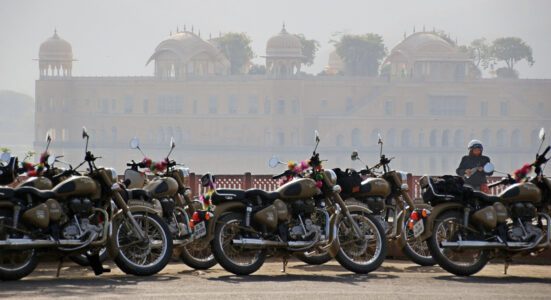
A Royal Enfield Himalayan 450, serviced by our mechanic. The group rides with an English-speaking motorcycle tour leader and a support 4x4 with a driver, which carries the luggage and the spare parts. The group is limited to 10 motorcycles (12 participants with pillions).
Yes, if the rider is already used to riding two-up on tracks and in the mountains: 46 days is long for the rider and the pillion alike. The support vehicle can take the pillion when it is really needed. The tour costs £11,990 (€13,290) per rider and £5,490 (€6,190) per pillion. Talk to your travel advisor before booking.
£11,990 (€13,290) per rider and £5,490 (€6,190) per pillion. The price includes the motorcycle, the team, the support vehicle, hotels with breakfast, border crossing permits and the compulsory motorcycle insurance. Unlike our other tours, meals (about €40 a day) and fuel (about €15 a day) are on you, as are entrance fees (about €290 for Machu Picchu), flights, tips and a €600 deposit per motorcycle.
You cross the borders between Peru, Bolivia, Argentina and Chile several times. UK and EU passport holders need no visa for tourist stays of up to 90 days in these four countries, but your passport must be valid for at least 6 months after arrival; in Bolivia, make sure you get an entry stamp, or you pay a fine when you leave. We require an International Driving Permit to enter Chile with the motorcycle, and satellite phones are not allowed. We handle the motorcycle border permits. Details are in our list of documents.
The tour starts in Arequipa and ends in Ushuaia, and you book your own flights. Most flights to Arequipa go via Lima, where you collect your luggage: allow at least 3 to 4 hours for the connection. Ushuaia airport is linked to Buenos Aires; Argentinian airlines often limit checked luggage to 15 kg. To arrive earlier or stay on, ask your travel advisor about the options.
The tour leaves in early January and reaches Ushuaia in late February, during the southern summer. There is one departure a year, often full well in advance: places are shown on this page, and your travel advisor can tell you the next dates. The weather varies a lot from one region to the next: cold and wind at altitude, humidity in the Amazon and in Patagonia, strong winds in the south. Bring several warm layers and rain gear.
In standard to comfort hotels, with a few simpler nights in remote villages and one night in a salt hotel in Uyuni. If you travel alone, a single room costs about 40 US dollars a night, paid locally, but it is not guaranteed in every hotel. The support vehicle carries your luggage: bring a soft bag rather than a hard suitcase.