 +442070316050


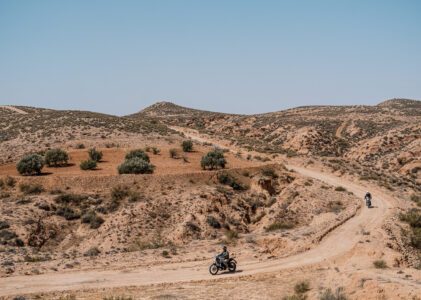

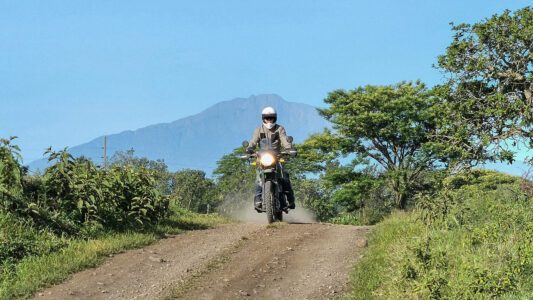

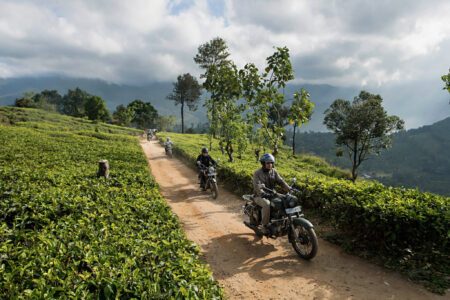
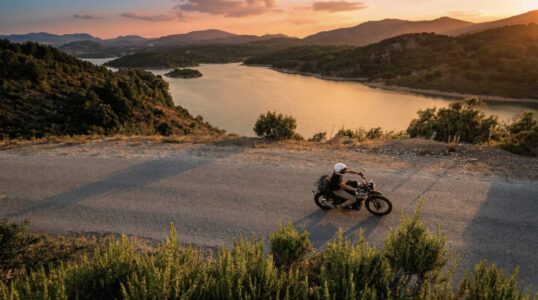







Ask anyone who rides in Southeast Asia where to start, and the answer usually comes back in five words: the Mae Hong Son Loop. Our team rides it every dry season out of Chiang Mai, and it remains, for us, one of the finest motorbike roads in Asia. Here is what you need to know before you go: the route, how many days it takes, when to ride, the stops worth the detour, and the traps that catch riders on their first morning.
What is the Mae Hong Son Loop?
The Mae Hong Son Loop is a circuit of about 370 miles (600 km) that starts and ends in Chiang Mai, in the far north of Thailand. It climbs into the mountains that line the Myanmar border, through Pai, Mae Hong Son and Mae Sariang, and can return over Doi Inthanon, the highest summit in the country at 2,565 metres.
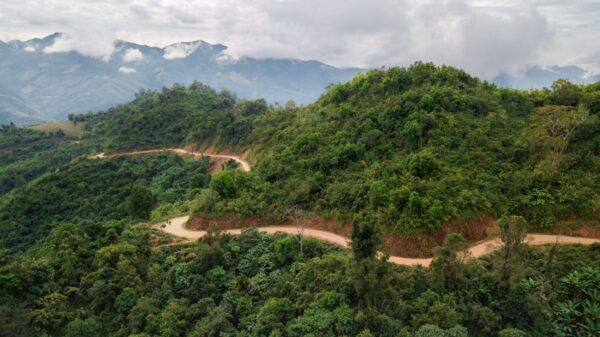
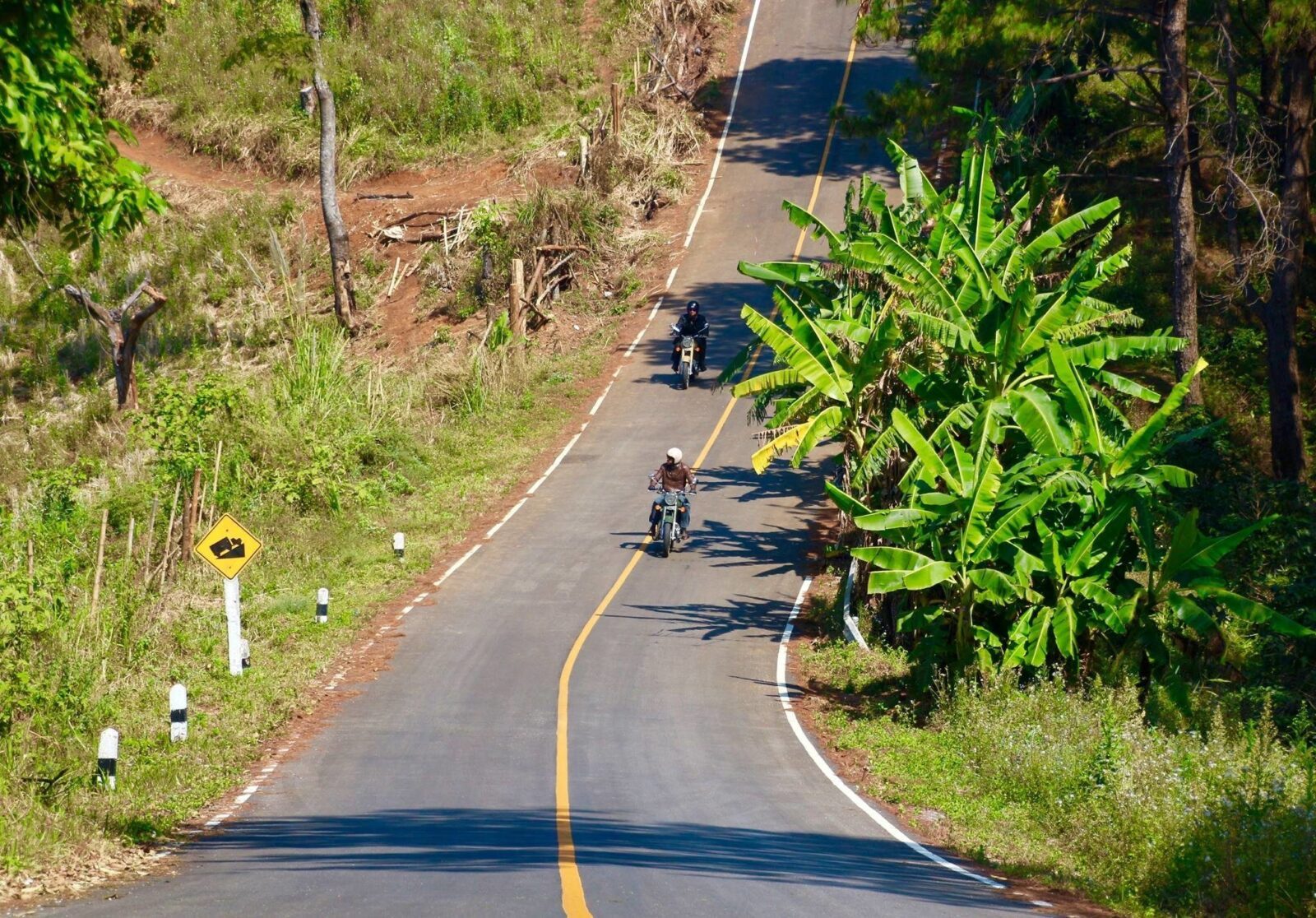
Its reputation rests on one road: Route 1095, between Chiang Mai, Pai and Mae Hong Son. Riders’ lore puts the count at 762 curves between Chiang Mai and Pai, and 1,864 all the way to Mae Hong Son. Nobody has checked the figure with a pencil, and nobody who has ridden it doubts it. Hairpins stacked one above the other, steep climbs through teak and pine forest, ridgelines with valleys falling away on both sides, then long, fast bends on Route 108 on the way back south.
The route at a glance
Most riders go anticlockwise, which puts the twistiest section, Chiang Mai to Pai, at the start while you are fresh. Distances are approximate and depend on your detours.
| Stage | Distance | Main road | Highlights |
|---|---|---|---|
| Chiang Mai to Pai | 80 miles (130 km) | Route 1095 | Hairpins, Huai Nam Dang National Park, Pai Canyon |
| Pai to Mae Hong Son | 75 miles (120 km) | Route 1095 | Soppong, Tham Lod cave, mountain viewpoints |
| Mae Hong Son to Mae Sariang | 100 miles (160 km) | Route 108 | Khun Yuam, Mae Surin waterfall, sunflower hills in season |
| Mae Sariang to Chiang Mai | 115 miles (190 km) | Route 108 | Doi Inthanon detour, waterfalls, royal pagodas |
How many days do you need?
Four days is the minimum to ride the loop without turning it into a time trial. Five or six days let you add Doi Inthanon, the villages north of Mae Hong Son and a full evening in Pai. The mileage looks modest on paper, but the average speed on Route 1095 is low: count on 25 to 30 mph (40 to 50 km/h) once you add photo stops, a coffee in a mountain village and the slow traffic on the climbs.
If you only have two weeks of holiday including the flights, the loop also fits inside a longer trip: our 12-day tour rides its finest sections in two days, then heads north to the Golden Triangle (more on that below).
The loop, stage by stage
Chiang Mai to Pai: the famous curves
You leave Chiang Mai to the north, and the real show starts after Mae Malai, where Route 1095 turns west and begins to climb. From there, the road never runs straight for long: tight switchbacks, steep gradients, then a ridge through Huai Nam Dang National Park, known for its sunrise viewpoints over a sea of mist. Just before Pai, stop at Pai Canyon, a maze of narrow red ridges best seen at the end of the day.
Pai itself is a small town in a valley of rice fields, popular with backpackers, with a walking street and a night market where you can taste food from all over the north. It is also the busiest point of the loop: this is where you will meet the most minivans and the most first-time scooter riders.
Pai to Mae Hong Son: forests and caves
The second half of Route 1095 is quieter and, to many riders, even better. The road climbs again through forest to Soppong (also called Pang Mapha), the base for Tham Lod, a huge cave crossed by a river that you explore on a bamboo raft. Further on, the road runs along ridges with long views over the mountains of the border before dropping down to Mae Hong Son.
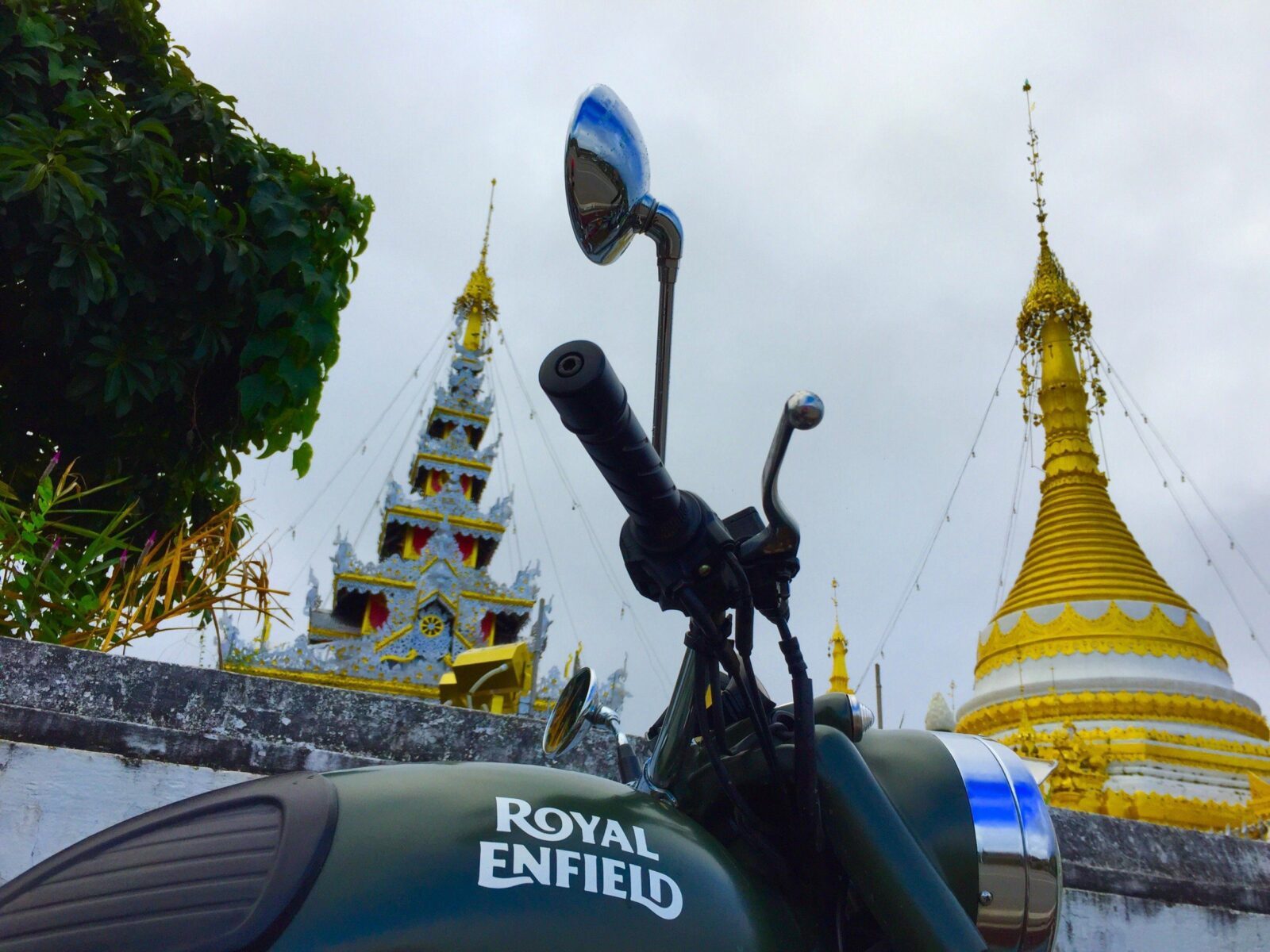
Mae Hong Son is a quiet provincial town around a lake, where the white and gold temples of Wat Jong Kham and Wat Jong Klang show the Burmese style of the region. At sunset, ride up to Wat Phra That Doi Kong Mu for the view over the valley. With an extra day, two detours to the north are worth it: Ban Rak Thai, a village of tea plantations founded by Yunnanese settlers, and Pang Ung, a lake surrounded by pines that is often covered in mist at dawn. Closer to town, the Su Tong Pae bamboo bridge crosses the rice fields to a hillside temple.
Mae Hong Son to Mae Sariang: the open road
Route 108 runs south, wider and faster, with long sweeping curves through the valleys. At Khun Yuam, a small museum tells the story of the Japanese troops who passed through during World War II. From mid-November to December, the hills of Doi Mae U Kho above Khun Yuam turn yellow with wild sunflowers, a detour very popular with Thai visitors. A little further, a side road leads to Mae Surin waterfall, one of the tallest in the country. Mae Sariang, on the banks of the Yuam river, is a peaceful stop for the night.
Mae Sariang to Chiang Mai: over Doi Inthanon
The direct way back follows Route 108 to Chiang Mai. Keep half a day for Doi Inthanon if you can: the road to the summit climbs to 2,565 metres past waterfalls such as Wachirathan, up to the two royal pagodas built for the King and Queen of Thailand. On a winter morning, it can be close to freezing at the top, so bring a warm layer. You can also ride the loop clockwise and climb Doi Inthanon on the first day, which is the option we chose for our tour.
When to ride the Mae Hong Son Loop
The best season is the cool, dry season, from November to February. Skies are clear, the roads are dry and the days are warm, but mornings in the mountains are crisp: expect 5 to 12°C at dawn in December and January, and much warmer afternoons in the valleys. It is also peak season in Pai, so book your nights early.
From late February to April, farmers burn their fields and a thick haze settles over the north. The roads are still dry, but the views disappear and the air quality can be poor. The rainy season runs roughly from June to September: the landscape is at its greenest, but Route 1095 becomes slippery, with gravel and the occasional landslide in the curves. We do not ride the north during the monsoon.
Riding tips for the loop
- Thailand drives on the left. Natural for British riders; riders from continental Europe usually adjust within the first morning. Stay focused at junctions and when pulling away after a stop.
- Use engine braking on the descents. Some gradients on Route 1095 are very steep. Riding the brakes all the way down overheats them: change down and let the engine hold the bike.
- Expect the unexpected in the bends. Minivans cutting corners, scooters stopping in the middle of the road for a photo, dogs, gravel washed onto the apex. Keep to your side of the road and leave a margin on blind bends.
- Ride in daylight. Distances are short, but night falls fast, around 6 pm in winter, and the mountain roads are not lit.
- Carry your paperwork. Police checkpoints are common around Chiang Mai and Pai. In Thailand, you ride with your full motorcycle licence and an International Driving Permit, which UK riders get at the Post Office. Without them, your travel insurance may refuse to cover an accident.
- Fuel and cash. Petrol stations are easy to find in towns and larger villages; carry cash for the smaller ones and for the roadside food stalls. ATMs are available in Pai, Mae Hong Son and Mae Sariang.
- Pack for two climates. A warm layer for the morning passes, a waterproof just in case, and good protective gear: the helmet is mandatory in Thailand, and the jacket and gloves are on you.
Ride it on your own or with a guided tour?
Many travelers hire a scooter or a motorbike in Chiang Mai and ride the loop on their own. It is a fine adventure if you are an experienced rider, comfortable on steep mountain roads and on the left side, and ready to handle a breakdown or a fall far from any town.
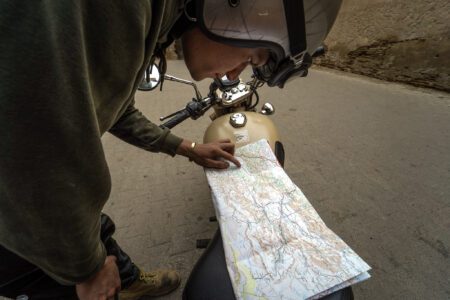
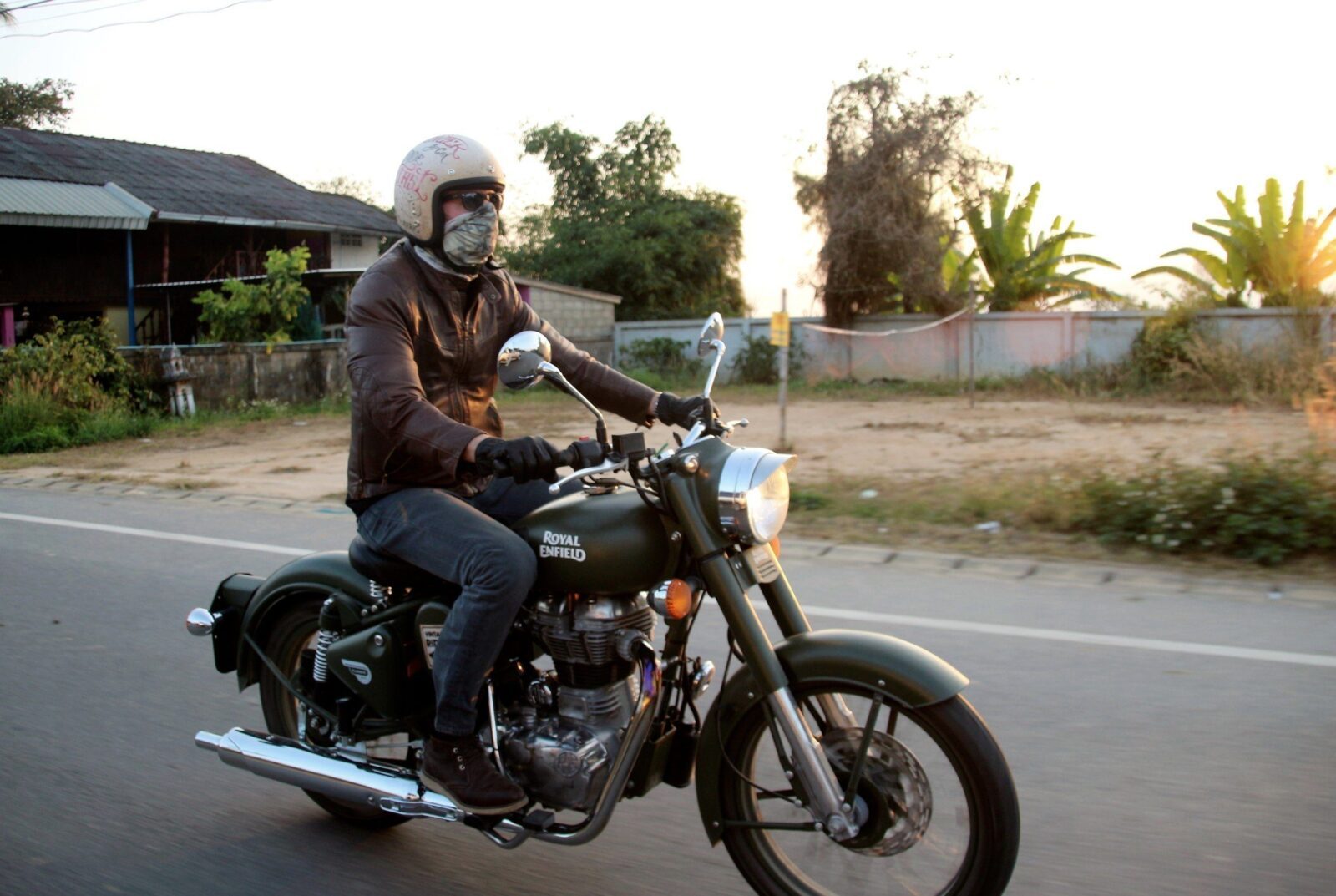
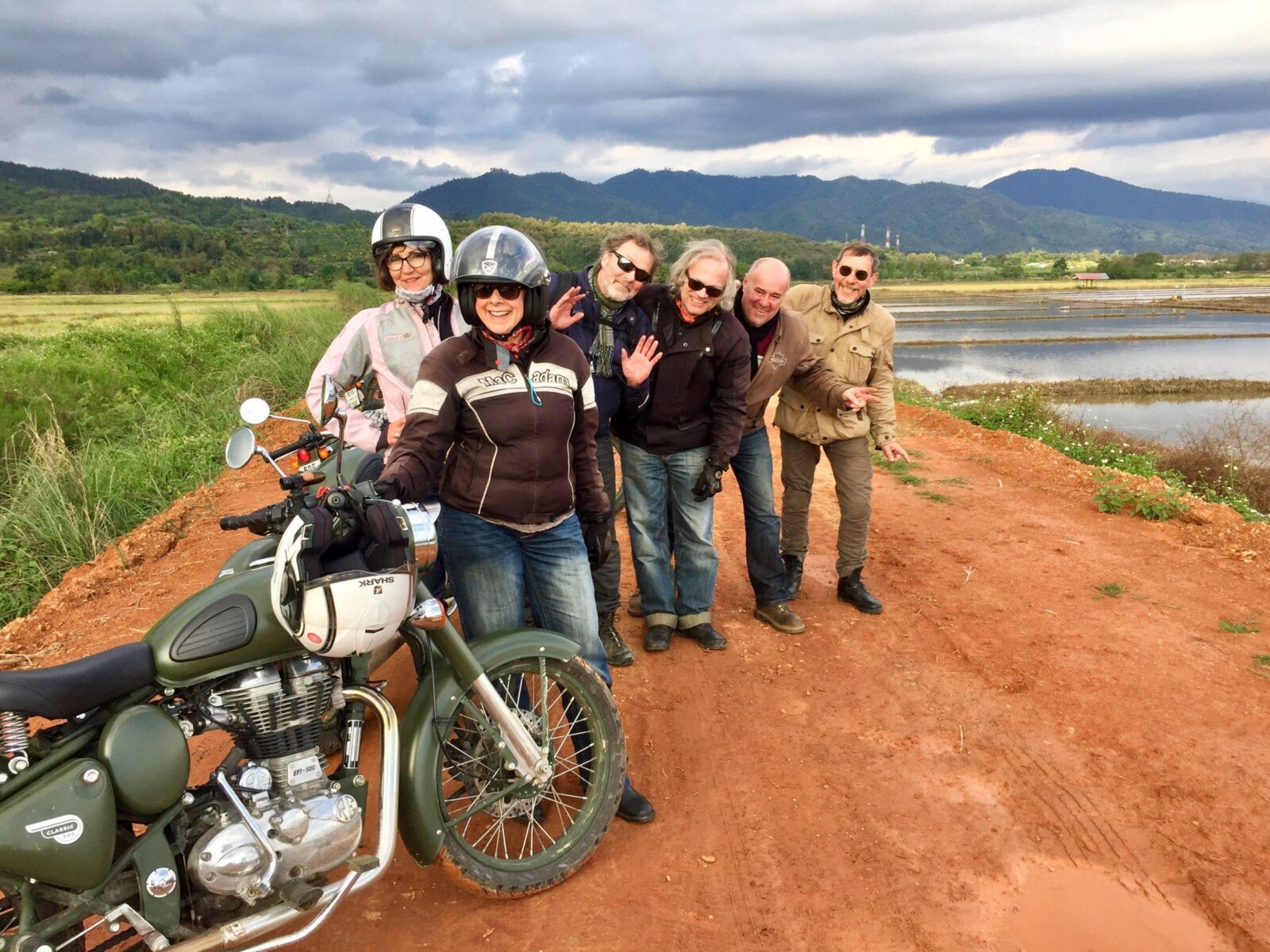
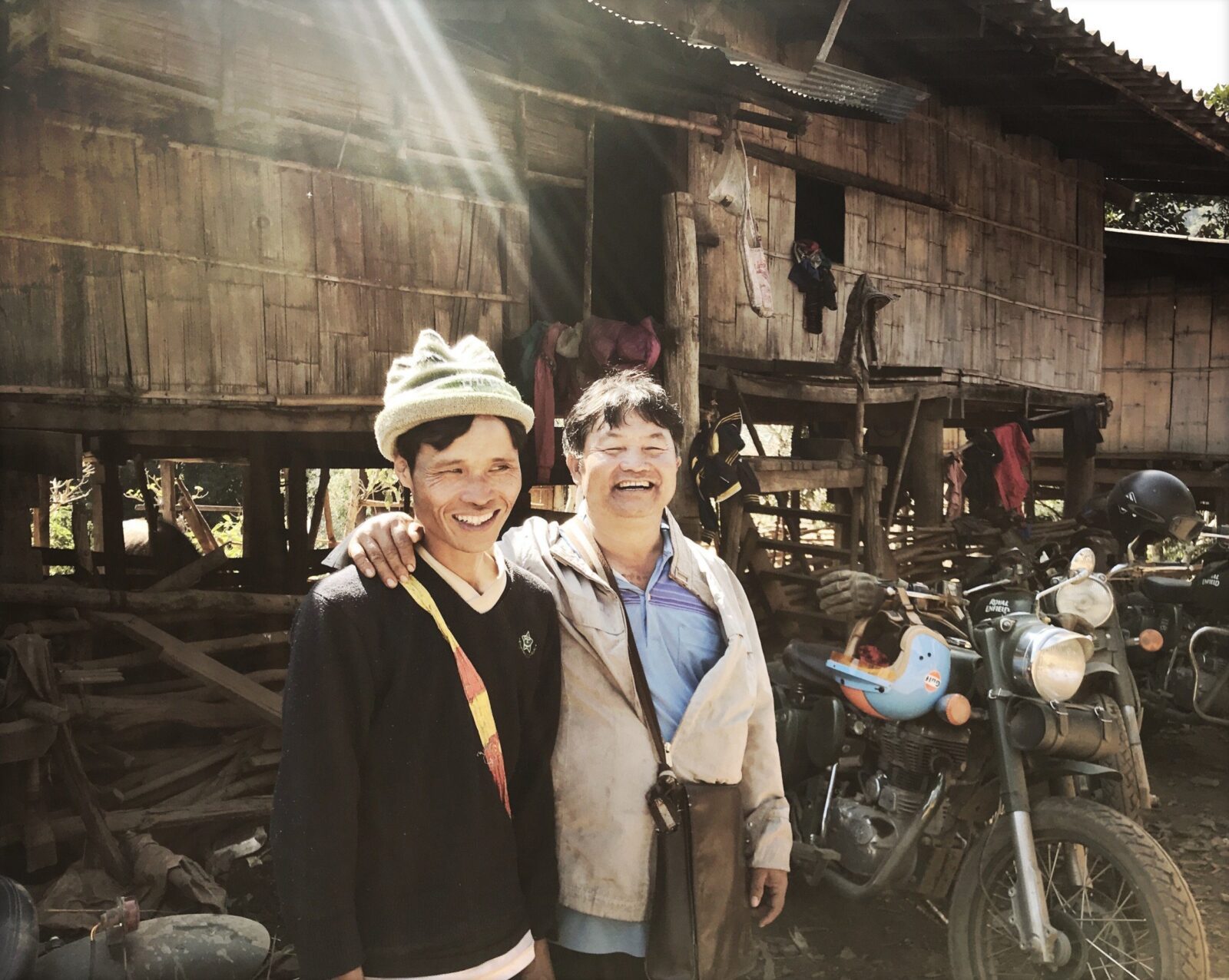
A guided tour changes the nature of the trip. On our tours, a tour leader opens the road, a mechanic and a support vehicle follow the group of 10 motorbikes at most, and every hotel is booked. You ride a Royal Enfield prepared by our mechanic in Chiang Mai, you do not carry your luggage, and you do not need to look at a map: your only job is to enjoy the bends. You also leave the most crowded sections to the scooters and take the small back roads our team has scouted over the years.
Our tours on the Mae Hong Son Loop
All our Thailand motorbike tours start and end in Chiang Mai, during the dry season.
- On the Edge of Siam Kingdom (12 days, about 1,056 miles (1,700 km), from £2,990 or €3,290 per rider) is our Mae Hong Son Loop motorcycle tour: over Doi Inthanon to Mae Hong Son, then the road of 1,864 curves to Pai with a bamboo raft ride at Tham Lod. It then heads north to Tha Ton, the Golden Triangle and Chiang Rai, and returns through the provinces of Nan and Lampang.
- The Mountains of the Golden Triangle (7 days, about 510 miles (820 km), from £1,690 or €1,890 per rider) is the short version: it skips Mae Hong Son and rides north to Chiang Dao, Tha Ton, the Golden Triangle and Chiang Rai. A good choice if you only have one week.
- Beyond the Mekong (12 days, from £3,290 or €3,690 per rider) crosses the Mekong into northern Laos as far as Luang Prabang, on rougher roads.
Mae Hong Son Loop FAQ
How long does it take to ride the Mae Hong Son Loop?
Four days at least for about 370 miles (600 km), because the average speed on the mountain roads is low. Five to six days let you add Doi Inthanon, Pang Ung or Ban Rak Thai and a rest evening in Pai.
Clockwise or anticlockwise?
Anticlockwise is the classic: you ride the tightest section, Chiang Mai to Pai, on day one, and finish on the faster roads of Route 108. Clockwise lets you climb Doi Inthanon on the first morning and reach Pai at the end of the trip. Both work.
Can a beginner ride the Mae Hong Son Loop?
It is not a road for a first ride. The bends are tight, the gradients are steep and the traffic is unpredictable. You should be comfortable on a motorbike and ride regularly; our tours on the loop are rated Intermediate.
Is the Mae Hong Son Loop worth it?
For a rider, yes: few roads in Asia string together so many bends with so little traffic outside Pai, in mountains where hill tribe villages, temples and forests follow one another. Ride it in the dry season, give it enough days, and it will stay with you long after you are home.






 France
 United States
 United Kingdom
 Deutschland
 Euro (€)
 British Pound (£)


